Nunavik: Quebec’s Last Frontier
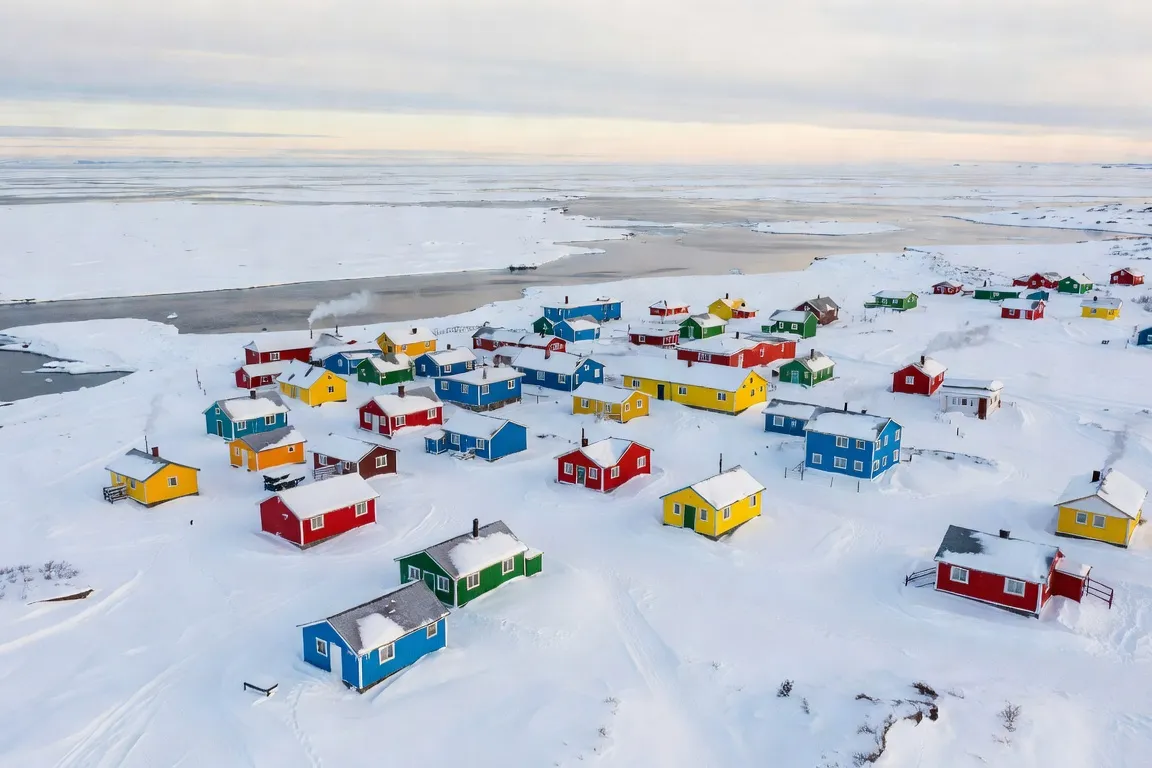
Beyond the 55th parallel, where roads end and the boreal forest gives way to the Arctic tundra, lies Nunavik — a territory of 507,000 km² that represents one third of the total area of Quebec. Larger than France, this vast land of almost no roads is home to approximately 14,045 inhabitants (2021 census), of whom nearly 90% are Inuit. They live in 14 coastal villages connected to each other by plane, by snowmobile in winter and by boat in summer.
Nunavik is not a mass tourism destination. It is an authentic region, inhabited for millennia by a people who have learned to thrive in one of the harshest environments on the planet. Caribou and seal hunters, Arctic char fishermen, world-renowned sculptors: the Inuit of Nunavik have shaped an Arctic civilization of exceptional cultural richness. For travellers who want to understand the real Quebec — beyond Old Quebec City and the Gaspésie — Nunavik offers a transformative journey.
The French version of this guide is available at Nunavik : guide complet du Grand Nord québécois.
Geography: A Territory of Three Coastlines
Nunavik is bounded to the south by the 55th parallel (the historical boundary with Cree territory) and extends to the shores of Hudson Strait to the north, at approximately 62°N. The territory is bordered by three bodies of water:
- Hudson Bay (west coast): 1,000 km of coastline facing west, exposed to polar winds.
- Hudson Strait (north coast): separating Nunavik from Nunavut and the Arctic islands, this historic waterway connects the Atlantic Ocean with Hudson Bay.
- Ungava Bay (east coast): a vast triangle of cold water that cuts deep into the territory from the northeast, its waters fed by countless salmon and char rivers.
The landscape of Nunavik shifts from south to north: the sparse boreal forest (black spruce, tamarack) of the 55th parallel gradually gives way to shrub tundra, then to bare tundra dotted with lakes, peatlands and muskeg. Everywhere, permafrost — permanently frozen ground — shapes the terrain and imposes particular architectural constraints on the Inuit villages.
The climate is Arctic: winters are long (October to May), with temperatures that can drop to -40°C inland. Summers are short but luminous, with up to 20 hours of sunshine per day in June and temperatures between 10 and 20°C.
Map of Nunavik — The 14 Inuit Villages
The Inuit of Nunavik: People, Culture and History
The Inuit are the ancestral inhabitants of Nunavik. Their ancestors, descended from the Dorset and then Thule cultures, have occupied these Arctic lands for at least 4,500 years. The Thule civilization, the direct ancestor of modern Inuit, arrived around 1000 AD and gradually replaced the Dorset people.
The population of Nunavik has grown from a few thousand individuals at the beginning of the 20th century to 14,045 inhabitants in 2021 (Statistics Canada census), of whom approximately 90% are Inuit — roughly 12,640 people. This is one of the largest Inuit populations in Canada. The demographics are young: half the population is under 25 years old, and the birth rate is among the highest in Quebec.
The mother tongue is Inuktitut, with two regional dialects: Inuttitut in the Hudson Bay villages, and standard Inuktitut in the Ungava Bay villages. Inuktitut is written in the Canadian Aboriginal syllabic script (ᐃᓄᒃᑎᑐᑦ) and is a fundamental cultural marker for the Inuit.
Traditionally nomadic, the Inuit of Nunavik lived by hunting caribou, seals and beluga whales, fishing for Arctic char and walleye, and travelling by qajaq (kayak) in summer and dog sled in winter. The forced sedentarization of the 1950s and 1960s, orchestrated by the Canadian federal government, profoundly disrupted this way of life. Families were forcibly relocated and children were sent to distant residential schools — traumas whose scars the communities still bear today.
The Makivik Corporation, founded in 1978 following the signing of the James Bay and Northern Quebec Agreement (JBNQA), represents the political, economic and cultural interests of the Inuit of Nunavik. It manages key enterprises — including Air Inuit — and negotiates with the Quebec and federal governments.
Governance: The Kativik Regional Government
The governance structure of Nunavik rests on three pillars born of the James Bay and Northern Quebec Agreement (JBNQA), signed on November 11, 1975 — the first modern treaty signed by Indigenous peoples in Canada.
The Kativik Regional Government (KRG)
Founded in 1978, the Kativik Regional Government is the regional government of Nunavik, headquartered in Kuujjuaq. It administers the 14 northern municipalities and has jurisdiction over:
- Public safety (Kativik Regional Police Force)
- Regional transportation (winter roads, local airports)
- Environmental management and resources
- Community housing
- Recreation and culture
- Land use planning
The KRG is governed by an elected council composed of representatives from the 14 municipalities and members elected by universal suffrage across the region. Its decisions directly affect the daily lives of Nunavik’s 14,000 residents. In 2024, its annual report highlighted major investments in community infrastructure and the transition toward renewable energy.
The Kativik School Board
The public educational institution of Nunavik, the Kativik School Board delivers Inuktitut-medium instruction in the early years of primary school, with a gradual transition to French or English. Its 33 schools serve thousands of students across the 14 villages. Preserving the Inuktitut language is at the heart of its educational mission.
The Nunavik Regional Board of Health and Social Services (NRBHSS)
Responsible for public health and social services throughout Nunavik, the NRBHSS manages medical clinics in all 14 villages, the Tulattavik Health Centre (the hospital in Kuujjuaq) and the Inuulitsivik Health Centre (Puvirnituq). These two centres are the only hospitals in the region and receive cases that cannot be treated locally.
The 14 Villages of Nunavik: Population and Characteristics
| Village | Coastal Region | Pop. (2021) | Notable Features |
|---|---|---|---|
| Kuujjuaq | Ungava Bay | 2,754 | Administrative capital, regional airport, Tulattavik hospital |
| Inukjuak | Hudson Bay | ~1,750 | Major craft arts centre |
| Puvirnituq | Hudson Bay | ~1,690 | Inuit sculpture, Snow Festival, Inuulitsivik hospital |
| Salluit | Hudson Strait | ~1,475 | Northernmost village, nearby Raglan mine |
| Kuujjuarapik | Hudson Bay | ~960 | Shared village with Cree community of Whapmagoostui |
| Kangiqsualujjuaq | Ungava Bay | ~860 | Gateway to Kuururjuaq Provincial Park |
| Kangiqsujuaq | Hudson Strait | ~785 | Wakeham fjords, marble cave |
| Kangirsuk | Ungava Bay | ~625 | Arctic char fishing, Arnaud River |
| Akulivik | Hudson Bay | ~620 | Seal and polar bear hunting |
| Umiujaq | Hudson Bay | ~445 | Lake Guillaume-Delisle, Tursujuq National Park |
| Quaqtaq | Ungava Bay | ~395 | Easternmost village on Hudson Strait |
| Ivujivik | Hudson Bay | ~390 | Northwesternmost village in Quebec |
| Tasiujaq | Ungava Bay | ~310 | Lake Sermilik, strongest tides in Canada |
| Aupaluk | Ungava Bay | ~215 | Smallest village in Nunavik |
Total population (2021): 14,045 inhabitants, approximately 90% Inuit.
Kuujjuaq (formerly Fort Chimo), the administrative “capital” of Nunavik, has developed along the Koksoak River, 60 km from the coast of Ungava Bay. Its recent growth has been spectacular: the 2021 census reveals a 16% increase since 2016, with the community gaining nearly 400 residents in five years. Kuujjuaq houses the main regional administrations (KRG, NRBHSS, Makivik), an airport with regular connections to Montreal, and commercial services not found in other villages.
Caribou Hunting: A $20 Million Economy
Caribou — tuktu in Inuktitut — is at the heart of Inuit culture and nutrition for millennia. In Nunavik, two large herds migrate across the territory:
- The George River herd (Ungava, east coast): one of the largest caribou herds in the world. At its peak in the 1990s, this herd numbered approximately 800,000 to 1 million animals. Population declines have been observed since then, linked to climate factors and predation.
- The Leaf River herd (Hudson Bay): another large herd whose spectacular migrations cross the centre of Nunavik.
These herds attract approximately 3,500 hunters per year, the overwhelming majority of whom come from the United States — mainly middle-aged men passionate about big game hunting. The sport caribou hunting industry is estimated to be worth more than $20 million Canadian per year to Nunavik’s economy.
Nunavik outfitters offer all-inclusive packages of 5 to 10 days, including air transportation from the nearest village, accommodation in a fly-in or fixed camp, meals, Inuit guides and hunting permits. Prices typically range from $5,000 to $20,000 USD per hunter depending on the package. Authorization to harvest two bull caribou is included in most packages.
Caribou hunting is tightly regulated by the KRG, which issues permits to outfitters and sport hunters, and by Quebec wildlife management authorities. The Inuit themselves have subsistence hunting rights guaranteed by the JBNQA, independent of sport hunting quotas.
Beyond the economic dimension, caribou hunting is a cultural act for the Inuit: the meat is shared within communities, and the hides are used to make traditional clothing (anoraks, boots).
Arctic Char Fishing: A Legend of the Ungava Rivers
Arctic char (Salvelinus alpinus — omble chevalier in French) is the emblematic fish of Nunavik. This cousin of the brook trout, with its spectacular pink-orange hues, inhabits the glacial rivers and deep lakes of the territory. Nunavik is regarded by many sport fishermen as one of the five best places in the world to fish for Arctic char.
The rivers of Ungava Bay are particularly renowned:
- The Payne River (Arnaud): accessible from Kangirsuk, it is famous for its char regularly exceeding 5 kg, with fish of 7 to 8 kg caught each season.
- The Leaf River: bordering the Abitibi-Nunavik region, a refuge for exceptional sport fishing in wilderness conditions.
- The Akulivik River: in the west, offering wilderness fishing conditions in pristine, untouched waters.
Specialized outfitters welcome anglers from July to September, when Arctic char run upstream to spawn. The main fishing lodges include Rapid Lake Lodge, Inukshuk Lodge (the only outfitter directly on the shores of Ungava Bay) and Arctic Adventures – Payne River Fishing Camp. Rates range from $3,000 to $8,000 CAD per person for a week, including air transportation.
Fishing is practiced with fly rods or spinning lures. Catch-and-release is encouraged by most outfitters, who are committed to preserving wild stocks. In addition to Arctic char, anglers also find lake trout and brook trout in the thousands of lakes and rivers throughout the territory.
The Ivakkak: Nunavik’s Great Sled Dog Race
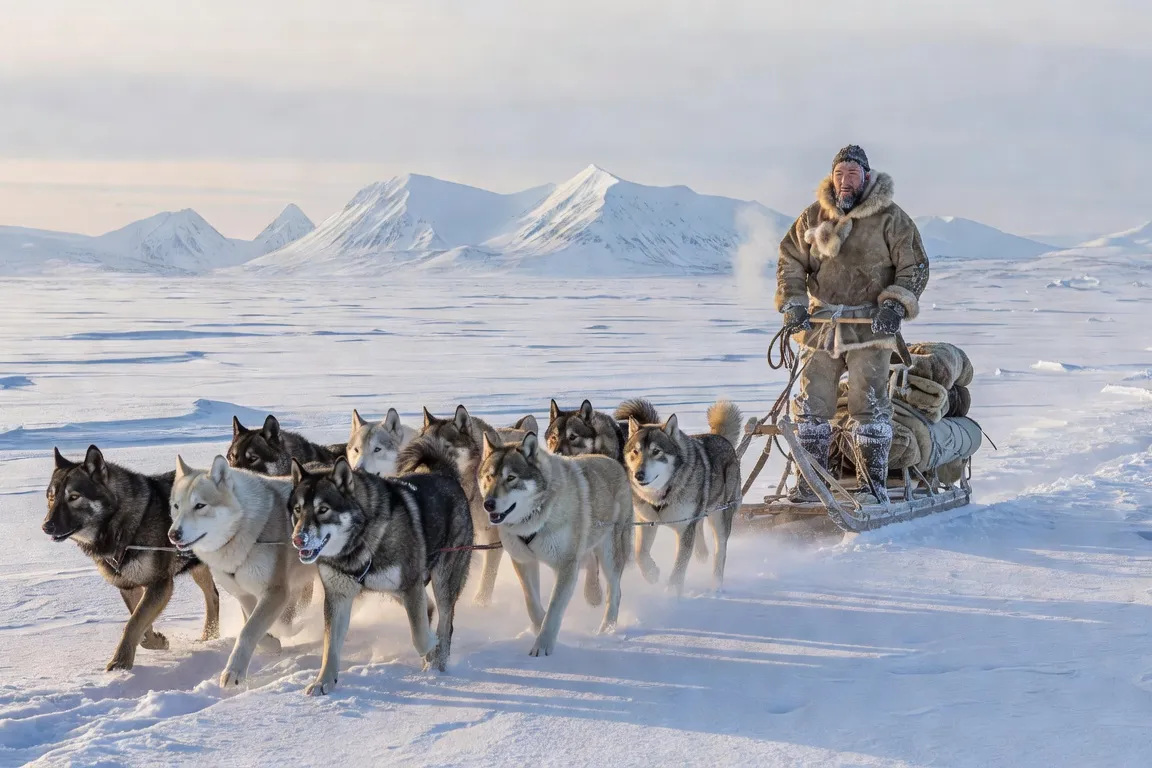
The Ivakkak is one of the most unique sled dog races in the world. Organized since 2001 by the Makivik Corporation, this annual competition embodies the revival of dog sled culture — a central element of Inuit civilization for millennia, before the snowmobile supplanted it in the 1960s and 70s.
Two rules distinguish the Ivakkak from all other sled dog races:
- Only Nunavik Inuit, beneficiaries of the JBNQA, can register as mushers.
- Only purebred Canadian Inuit Dogs (Canis lupus familiaris of the Qimmiq / Canadian Inuit Husky breed) are accepted in the teams.
These two rules make the Ivakkak a cultural event as much as a sporting one — a living demonstration of the ancestral bond between the Inuit and their dogs.
The race follows a different route each year, linking several Nunavik villages across the tundra, sea ice or frozen rivers. The distance varies accordingly: 427 km in 2023, 328 km in 2025 (from Kangiqsualujjuaq to Tasiujaq). Teams spend the night in the villages they pass through, welcomed by local residents who feed the dogs and support the mushers. The race typically lasts a week.
The Ivakkak is not just an athletic challenge: it is a cultural transmission journey, where young Inuit relearn the art of driving a dog team using traditional techniques. The opening ceremony, the celebrations in the villages traversed and the sea ice as backdrop make this race a uniquely human encounter.
To follow upcoming races or results: ivakkak.com
The Puvirnituq Snow Festival: A Celebration of Ice and Culture
Puvirnituq is one of the best-known villages in Nunavik. Famous for the exceptional quality of its stone sculptures (soapstone and serpentinite), this Hudson Bay village is also home to the Snow Festival — the most important winter festival in northern Quebec.
Held each winter (February–March), the Puvirnituq Snow Festival brings together sculptors, artists and Inuit communities for snow and ice sculpture competitions, traditional Inuit games, demonstrations of ancestral techniques and community celebrations. The event celebrates both Inuit artistic talent — internationally recognized since the 1950s — and the winter traditions of the Arctic people.
Soleica, a company specializing in information technology for the Inuit of Nunavik, is a supporting partner of the Snow Festival. A specialist in digital infrastructure for Inuit organizations in the Far North, Soleica supports Nunavik communities in their transition to the digital world, taking into account the unique geographic and cultural realities of this territory.
All information about the Puvirnituq Snow Festival can be found at: soleica.ca/snowFestival/
For IT services and technology solutions tailored to the realities of Nunavik: soleica.ca
Nunavik Childcare: Raising Children in Inuktitut
The Nunavik childcare network is an emblematic achievement of Inuit self-government. Managed by the communities themselves, this network of early childhood centres provides quality childcare in all 14 villages, with Inuktitut-medium instruction — the children’s mother tongue — as a fundamental pillar.
These childcare centres play a crucial role in:
- Transmitting the Inuktitut language and Inuit culture to new generations
- Supporting families in remote communities without easy access to services
- Child development in a culturally adapted environment
For more information about childcare services in Nunavik and resources available to families: nunavikchildcare.ca
How to Get to Nunavik
Nunavik has no road connection to the rest of Quebec. Access is exclusively by air or, in winter, by snowmobile trails between villages.
By Plane from Montreal
Air Inuit is the primary regional carrier. Founded in 1978 and owned by the Makivik Corporation, Air Inuit operates regular flights between Montreal-Trudeau Airport (YUL) and Kuujjuaq (CYYR), Nunavik’s administrative capital. Flight duration is approximately 2.5 hours. From Kuujjuaq, regional flights by ATR and Twin Otter aircraft serve the other 13 villages.
First Air and Canadian North also serve some Nunavik communities. Fares vary considerably depending on the season and final destination.
Recommended Seasons
| Season | Months | Activities |
|---|---|---|
| Arctic Spring | April–May | Ivakkak race, snowmobiling, northern lights |
| Arctic Summer | June–September | Arctic char fishing, hiking, wildlife watching |
| Autumn | October–November | Caribou migration, northern lights |
| Winter | December–March | Snow Festival, dog sledding, northern lights |
Permits and Regulations
Sport hunting and fishing in Nunavik require specific permits issued by the Kativik Regional Government. The vast majority of tourist activities (hunting, fishing, guided hiking) are organized by licensed outfitters who handle the regulatory requirements.
The government of Nunavik encourages respectful tourism in Inuit communities: visitors are invited to ask permission before photographing people, to respect local cultural protocols and to support the local economy by choosing Inuit-owned accommodation and guides.
French version of this guide available at: Nunavik : guide complet du Grand Nord québécois
This guide is part of our Quebec Destinations section. See also our guide on Côte-Nord, the neighbouring region and gateway to subarctic Quebec.